
Aesthetic treatments for oncology patients: what supportive care can look like
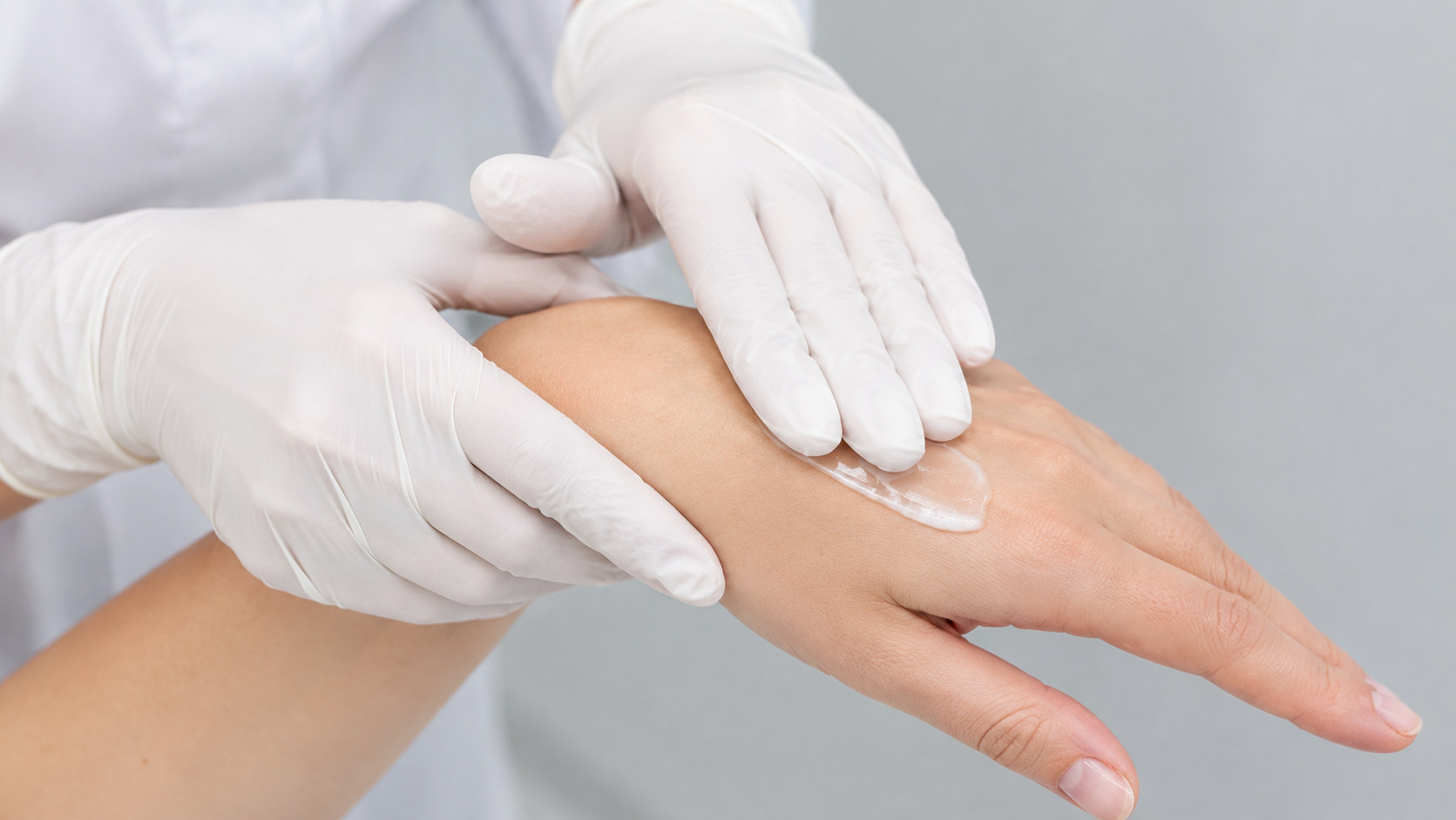
- Aesthetic treatments for oncology patients should be viewed as supportive care focused on comfort, skin tolerance, and well-being, not as medical treatment.
- The safest approach is conservative, non-invasive, and tailored to the person’s current skin condition, treatment stage, and medical guidance.
- Gentle facials, hydration-focused skin support, and simplified body care may be considered in some cases, but not every service is appropriate for every patient.
- Compromised skin, active irritation, infection concerns, bruising, and significant discomfort are common reasons to modify, defer, or avoid treatment.
- Specialized training matters because oncology-supportive aesthetics requires stronger judgment, clearer boundaries, and a different mindset than conventional esthetics.
Cancer treatment can affect far more than a diagnosis alone. For many people, it also changes how their skin feels, how products are tolerated, and how comfortable they feel in their own routines. That is why aesthetic treatments for oncology patients need a very different framework than standard beauty or spa services.
In this setting, the goal is not aggressive correction or visible transformation. It is supportive care: helping preserve comfort, respecting sensitized skin, and creating a safe, thoughtful experience that aligns with the patient’s medical care plan.
What oncology-supportive aesthetic care actually means
The term often used in the industry is oncology esthetics or oncology-supportive aesthetic care. In practical terms, it refers to adapted, non-invasive services designed for people who are undergoing cancer treatment, recovering from it, or living with treatment-related skin sensitivity.
These services are typically centered on:
- Gentle cleansing
- Hydration support
- Comfort-focused skin care
- Conservative external care
- A calm, respectful self-care experience
This type of care is not intended to treat cancer, improve medical outcomes, or replace the guidance of an oncology team. It exists within clear limits and should always be approached with caution.
What these services are designed to support
When appropriate, oncology-supportive aesthetic care may help support:
- Day-to-day skin comfort
- Dryness-related discomfort
- Personal care and grooming routines
- Emotional well-being through nurturing, low-stress care
- A sense of normalcy and control during a difficult period
For some individuals, simply being able to maintain a basic self-care routine can feel meaningful. That does not make the service medical, but it can make it personally important.
What these services are not designed to do
A common point of confusion is assuming that “gentle” means universally safe or broadly recommended. It does not.
These services should not be presented as:
- Medical treatment
- A substitute for oncology care
- A way to “fix” treatment side effects
- A standard cosmetic facial with a softer touch
- A guaranteed benefit for every person with cancer
The right decision in some cases may be to keep care extremely minimal or postpone it altogether.
Why skin often needs a different approach during or after cancer treatment
Cancer therapies can affect the skin barrier, sensitivity level, and general tolerance to products or touch. That is one reason why services that seem routine in conventional esthetics may not be appropriate in an oncology-supportive setting.
Common skin and comfort concerns
While every person’s experience is different, some people may notice concerns such as:
- Dryness
- Tightness
- Increased sensitivity
- Redness or visible reactivity
- General discomfort with products that were previously well tolerated
These changes can shift quickly, which is why a service should never be based on assumptions or a standard protocol alone.
Why “gentle” still requires assessment
A product labeled calming or sensitive-skin friendly is not automatically suitable for every oncology patient. Timing, skin condition, treatment phase, and the presence of visible irritation all matter.
A careful assessment helps establish:
- How the skin is behaving that day
- Whether the person can tolerate even light product application
- Which areas should be avoided
- Whether the service should be shortened, simplified, or deferred
One of the most important principles in oncology-supportive care is simple: if something causes discomfort, it should be modified or stopped.
Which aesthetic treatments may be considered
There is no universal menu for oncology patients. What may be considered depends on the person, the timing, and professional judgment within the provider’s legal scope of practice.
That said, some forms of conservative, non-invasive support may be appropriate in select cases.
Gentle facial support
A facial in this setting is not a performance-driven treatment. It is usually a simplified, comfort-oriented service with minimal stimulation and realistic goals.
That may include:
- Very gentle cleansing
- Hydration-focused topical support
- Conservative product use
- Adjustments based on tolerance
- Avoidance of aggressive techniques
The emphasis is not on exfoliation, deep correction, or dramatic results. It is on helping skin feel more comfortable without creating unnecessary stress.
Supportive body care
Some patients also experience discomfort in larger areas of the body, especially when skin feels dry or delicate. In those cases, body-focused supportive care may center on:
- External hydration support
- Gentle care for dry or sensitive areas
- Minimal, wellness-oriented touch when appropriate
- A shorter, lower-intensity service experience
Again, the service should remain conservative. The more vulnerable the skin or the more medically complex the situation, the more restraint is usually needed.
Simple, non-invasive options are often the right standard
In oncology-supportive aesthetics, less is often better. A safer plan may look like:
- Fewer products
- Shorter appointments
- Lower sensory load
- Minimal manipulation
- Modest expectations
That can be a significant mindset shift for professionals who are used to result-driven esthetic services.
When extra caution or postponement may be the safer choice
One of the clearest signs of good clinical judgment in this space is knowing when not to proceed.
Even non-invasive aesthetic treatments may need to be postponed or adapted when there are signs that the skin or the person’s overall condition is not suited for treatment that day.
Situations that may require modification, deferral, or referral
Extra caution is often needed when there is:
- Broken, fragile, or visibly compromised skin
- Significant irritation or inflammation
- Bruising
- Wound-related concerns
- Possible infection concerns
- Unexpected tenderness or pain
- A noticeable change in skin tolerance
These are not situations for “working around it” casually. They are situations that call for judgment, clear boundaries, and, when appropriate, referral back to the medical team.
Why timing matters
The timing of aesthetic care can matter just as much as the type of service. A person may tolerate something differently depending on where they are in treatment or recovery.
That is why oncology-supportive care should be guided by:
- Current condition, not assumptions
- Awareness of recent changes
- Alignment with medical recommendations
- Willingness to postpone if there is any doubt
A conservative decision is often the right decision.
Conventional esthetics vs oncology-supportive aesthetics
Standard esthetics and oncology-supportive aesthetics are not interchangeable. They may share some surface-level techniques, but the underlying decision-making is very different.
How the treatment mindset changes
In conventional esthetics, the focus is often on correction, performance, and visible improvement. In oncology-supportive care, the priorities shift toward:
- Comfort over cosmetic intensity
- Simplicity over layered treatment plans
- Barrier respect over active correction
- Continuous reassessment over routine protocols
- Safety boundaries over service completion
A provider trained in oncology-supportive care understands that success may mean doing much less than usual, or not treating at all.

What trained professionals should know before offering care
Supportive aesthetic care for oncology patients should be provided only by professionals who understand both the limits and the responsibilities of this work.
That includes more than having a gentle touch. It involves the ability to recognize when skin is too sensitized, when a service falls outside an appropriate boundary, and when the patient should be redirected to the treating medical team.
Why specialized training matters
Specialized education can help estheticians and medical aesthetic assistants better understand:
- How cancer treatment may affect skin tolerance
- Why product selection must be more conservative
- How to adapt services without overpromising benefits
- When a concern should prompt referral rather than treatment
- How to communicate clearly and appropriately with medically complex clients
This kind of training does not turn an esthetic professional into a medical provider. What it does is support safer decision-making and more responsible care.
Scope of practice in the United States
In the US, scope of practice rules vary by state. What an esthetician, medical assistant, or other support professional may do can depend on state law, workplace setting, and whether supervision by a licensed clinician is required.
That is especially important in medical aesthetics. Professionals should understand:
- Their exact legal scope
- The policies of their facility or employer
- When medical clearance is needed
- Which concerns fall outside esthetic practice
Good oncology-supportive care depends as much on boundaries as it does on technique.
What should be reviewed before any service
Before a treatment is considered, there should be a thoughtful review of the current situation. The purpose is not to make medical decisions, but to determine whether a conservative, non-invasive service is appropriate at all.
That review may include:
- The patient’s current skin comfort and sensitivity level
- Any visible changes that make treatment unsuitable
- Known product reactions or low tolerance
- Whether the treating medical team has placed limits on services
- Whether the planned treatment goal is realistic and appropriate
If there are topics you would like to see covered next, write to us at editorial@upsthetics.com.
Disclaimer: This content is for educational purposes only and does not constitute medical advice, legal advice, or professional guidance.
FAQS
Can oncology patients safely receive aesthetic treatments?
Some aesthetic treatments may be appropriate for oncology patients, but only after careful medical assessment and, when appropriate, communication with the patient’s oncology team. Suitability depends on factors such as the type of cancer, treatment stage, overall health, current medications, immune status, and skin condition.
What is supportive aesthetic care in oncology?
Supportive aesthetic care focuses on improving comfort, skin health, and quality of life rather than treating the cancer itself. It may help address treatment-related skin changes, dryness, sensitivity, and other physical effects associated with cancer therapies, always within the patient’s medical care plan.
Why does cancer treatment affect the skin?
Chemotherapy, radiation therapy, targeted therapies, immunotherapy, and hormonal treatments can alter the skin’s barrier function, reduce hydration, increase sensitivity, and affect wound healing. The severity of these changes varies considerably between patients and treatment regimens.
Which skin concerns are most common during cancer treatment?
Patients may experience: Dryness (xerosis) Increased skin sensitivity Itching (pruritus) Redness and irritation Hyperpigmentation Acneiform eruptions Nail changes Hair thinning or hair loss Increased photosensitivity Not every patient experiences the same side effects, and symptoms may change throughout treatment.
Can medical spas treat patients who are undergoing cancer treatment?
Some medical spas provide supportive skincare services for oncology patients, but treatments should only be offered within the provider’s scope of practice and after appropriate medical clearance when indicated. Clinics should have clear protocols for patient screening, documentation, and communication with the patient’s healthcare team.
Are all aesthetic treatments appropriate for oncology patients?
No. Certain procedures may need to be postponed or avoided depending on the patient’s medical condition, immune function, platelet counts, wound healing capacity, and current cancer treatment. Treatment decisions should always prioritize patient safety over cosmetic outcomes.
Why is a medical consultation important before treatment?
A consultation helps identify potential contraindications, review the patient’s medical history, evaluate current therapies, assess skin condition, and determine whether supportive aesthetic care is appropriate. Individual assessment is essential because oncology patients present with highly variable clinical situations.
Can skincare improve quality of life during cancer treatment?
For many patients, appropriate skincare and supportive aesthetic care may improve comfort, reduce skin irritation, enhance self-confidence, and contribute positively to overall well-being. While these interventions do not treat cancer, they may help patients better manage some treatment-related skin changes.
What is the role of the Aesthetic Medical Assistant when caring for oncology patients?
The Aesthetic Medical Assistant supports safe patient care by collecting medical information, documenting skin changes, preparing treatment rooms, reinforcing aftercare instructions, monitoring patient comfort, and communicating concerns to the supervising provider. Clinical decision-making and treatment selection remain the responsibility of appropriately licensed healthcare professionals.
Should oncology patients receive personalized treatment plans?
Yes. Every oncology patient has unique medical circumstances, treatment goals, and skin concerns. Individualized treatment plans, developed in collaboration with the appropriate healthcare providers when necessary, help ensure that supportive aesthetic care remains safe, appropriate, and centered on the patient’s overall well-being. References National Cancer Institute. Skin and nail changes during cancer treatment. American Cancer Society. Skin and nail changes during cancer treatment. American Academy of Dermatology Association. Skin, hair, and nail changes during cancer treatment. Explore education in oncology-supportive aesthetics. You can explore more articles on medical aesthetics in our blog at https://www.upsthetics.com, where we publish educational content designed for professionals and individuals interested in the field.
Stay Updated
Related posts

What Utah’s proposed med spa rules would change about who can inject

What Indiana’s new medical spa law changes for aesthetic practices

What the GLP-1 Boom Is Changing for Aesthetic Practices in the US
About the author
