
How Platelet Rich Plasma and PRF Are Prepared and Used in Aesthetic Practice
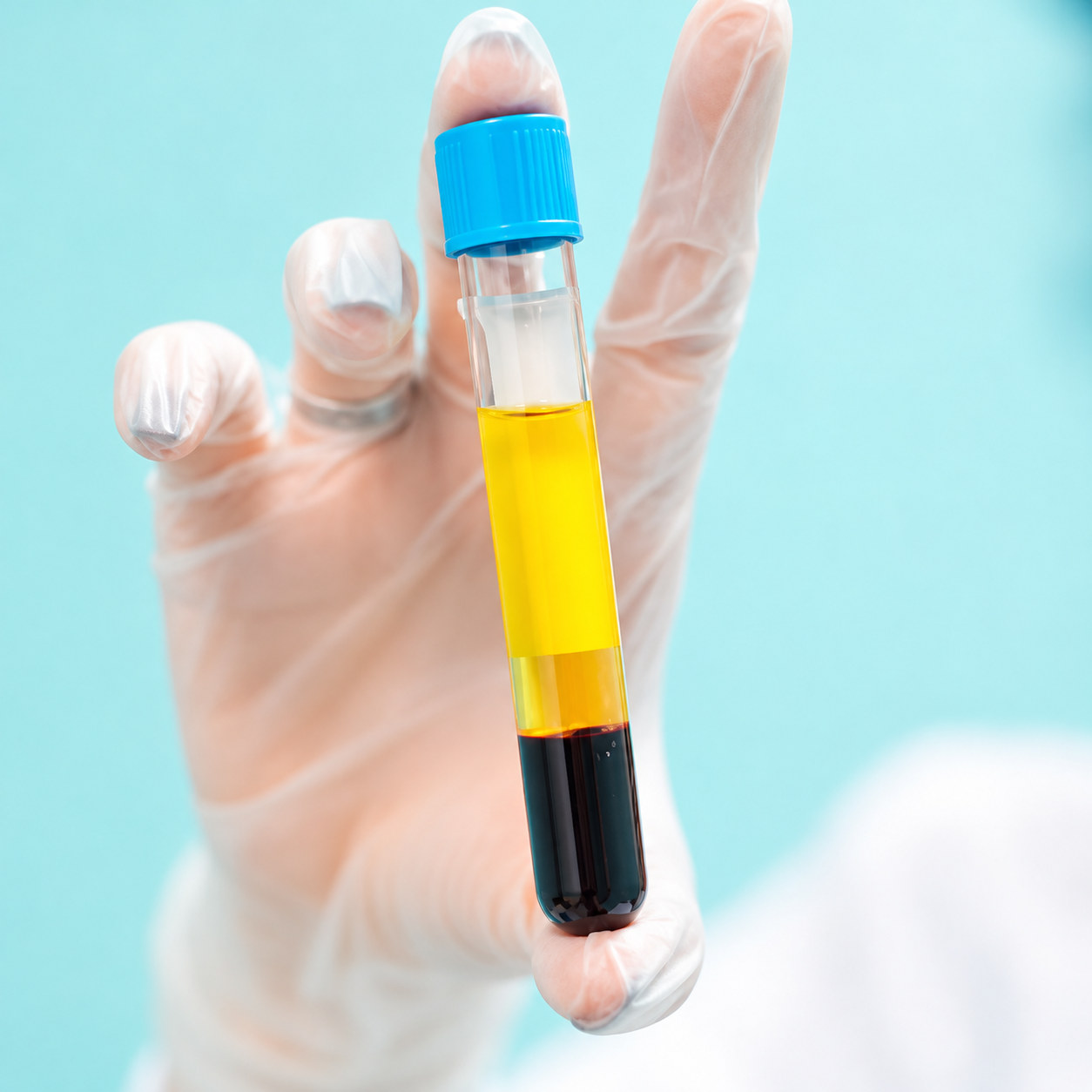
Platelet rich plasma occupies an unusual position in aesthetic medicine. The material is the patient’s own blood, which removes the allergy and biocompatibility questions that follow every other injectable. At the same time it is the least standardized product in the treatment room, because what ends up in the syringe depends on the tube, the spin protocol and the operator, and two clinics using the same trade name may be delivering preparations that differ several fold in platelet concentration.
For clinical support staff this is a treatment where the preparation phase is the treatment. Everything that determines the quality of the product happens before the prescriber touches the syringe, and most of it happens in the hands of the assistant.
What the material actually is
Whole blood is roughly forty five percent red cells, a little over half plasma, and a very small fraction of platelets and white cells. Platelets carry alpha granules loaded with growth factors including platelet derived growth factor, transforming growth factor beta, vascular endothelial growth factor and epidermal growth factor. Concentrating those platelets into a small plasma volume and placing them into tissue delivers a burst of signaling that recruits cells and drives a wound healing cascade without an actual wound.
The rationale is sound. The evidence base is uneven, strongest in androgenetic alopecia and in combination with microneedling for skin quality, weaker and more variable elsewhere, and consistently limited by the fact that published studies rarely use comparable preparations. Staff should describe PRP as a treatment with encouraging results in specific applications, never as a proven regenerative therapy.
PRP and PRF are not the same preparation
Platelet rich plasma is drawn into a tube containing an anticoagulant, most commonly sodium citrate, and spun at higher speed. The anticoagulant keeps the sample liquid so the layers separate cleanly and the platelet rich fraction can be drawn off. The result is a liquid that injects easily and releases its growth factors relatively quickly.
Platelet rich fibrin is drawn into a tube with no anticoagulant and spun at lower speed for a shorter time. Clotting begins immediately and a fibrin matrix forms, trapping platelets and leukocytes inside a three dimensional scaffold. The product is more viscous, sets into a gel over minutes, and releases growth factors more slowly over days rather than hours. Because it clots, PRF must be handled promptly and cannot sit while the room is prepared.
Neither is superior in every application. Liquid PRP suits topical application after microneedling and fine injection. PRF suits situations where a slower release or a volumizing scaffold is wanted. The prescriber chooses, and the assistant needs to know which one is planned before the draw, because the tube is different and there is no correcting that afterward.

The preparation workflow
The sequence is a venous draw, immediate and correct tube inversion where the protocol requires it, a balanced centrifuge run at the parameters the kit specifies, separation of the layers, and careful collection of the platelet rich fraction. Each of those steps has a way to go wrong that a busy room reproduces regularly.
A traumatic draw with excessive vacuum damages platelets before they reach the tube and the sample is compromised at second one. An unbalanced centrifuge produces uneven layers and, over time, wrecks the rotor. Drawing too aggressively at the buffy coat pulls red cells into the collection, and red cell contamination is associated with more post treatment inflammation and bruising. Time matters as well. A preparation that sits for an hour is not the product the protocol describes.
Every run should be logged with the kit lot, the spin parameters used, the volume drawn, the volume collected and the time from draw to application. When a patient reports an unusually good or unusually poor result, that log is the only variable set available to explain it.
Where it is used
In hair, PRP injected into the scalp for androgenetic alopecia has the strongest support of any aesthetic application, typically as a series of monthly sessions followed by maintenance. It is usually positioned alongside minoxidil and finasteride rather than as a replacement, and results are best in patients with miniaturizing follicles rather than areas that have been bare for years.
In skin, PRP applied topically immediately after microneedling is the most common protocol in med spas, using the open channels to deliver the preparation while the treatment itself drives collagen remodeling. Injected PRP and PRF are also used in the infraorbital region for tear trough hollowing and skin quality, an area where PRF is often preferred for its scaffold properties and where the anatomy demands an experienced injector.
PRP kits are cleared as devices for the preparation of platelet rich plasma. The aesthetic applications themselves are generally not FDA approved indications, and marketing copy that describes PRP as an approved treatment for hair loss or facial rejuvenation creates regulatory exposure for the practice.
Handling autologous blood is a compliance obligation
The moment a practice draws blood it takes on obligations under the bloodborne pathogens standard. Personal protective equipment, sharps containers at the point of use, an exposure control plan, hepatitis B vaccination availability for staff at risk, and documented training are not optional and are inspected.
Labeling discipline sits at the same level. A tube of blood is labeled with the patient identifier at the chairside, at the moment of draw, never in advance and never afterward from memory. A tube leaves the assistant’s control only into the centrifuge. Two patients’ samples are never processed in the same run without physical separation and independent labeling. Injecting one patient with another patient’s blood is the kind of event that ends a practice, and the only thing preventing it is procedure.
Who may perform the venipuncture is determined at state level. Some states allow medical assistants to draw blood with documented training, some require a phlebotomy certification, and a few restrict the act to licensed personnel. Verify with the state board rather than assuming that a training certificate confers authority.
Contraindications and what to flag
Platelet disorders, thrombocytopenia, active hematologic malignancy, ongoing anticoagulation, active infection at the treatment site, and recent systemic corticosteroid use all belong in front of the prescriber before the draw rather than after. Recent NSAID use is commonly asked about since it affects platelet function, and many protocols request a pause in the days before treatment. Pregnancy, poorly controlled anemia and a history of vasovagal reaction to blood draws are also worth surfacing early.
Post treatment, expect erythema, swelling and tenderness for one to three days, more pronounced after scalp injection. Findings that need the clinician are spreading warmth or discharge suggesting infection, swelling that increases after day three rather than settling, and any visual change following periorbital treatment.
PRP is rarely performed alone. It sits inside protocols that combine microneedling, energy based devices and topical regimens, and the surrounding steps determine most of the outcome.
If there are topics you would like to see covered next, write to us at editorial@upsthetics.com.
This article is educational and does not constitute medical advice, diagnosis or treatment guidance. Preparation protocols, indications and regulatory status differ by product and change over time. Follow the manufacturer’s instructions for use and your supervising physician’s protocols, and confirm scope of practice with your state licensing board.
FAQS
What is the difference between PRP and PRF?
PRP is drawn with an anticoagulant and spun faster, producing a liquid that releases growth factors quickly. PRF is drawn without anticoagulant and spun slower, forming a fibrin scaffold that releases growth factors over several days.
Is PRP FDA approved for hair loss?
Preparation kits are cleared as devices. The aesthetic applications, including hair restoration and facial treatment, are generally used off label and should not be marketed as approved indications.
Why do results vary so much between clinics?
Because preparations vary. Tube type, spin speed, spin time, collection technique and time to application all change what is in the syringe, and there is no single industry standard.
How many sessions are needed?
Scalp protocols commonly run a series of monthly sessions followed by maintenance at longer intervals. Facial protocols vary widely. The prescriber sets the schedule based on indication and response.
Can a medical assistant draw the blood?
It depends on the state. Some allow it with documented training, some require phlebotomy certification, and some restrict venipuncture to licensed personnel. Confirm with the state board. Where to go next
Stay Updated
Related posts
Pressotherapy for lymphatic drainage: benefits, safety considerations, and professional use

What facial contouring actually means in a medical aesthetic practice
How Mesotherapy Works: Benefits, Risks, Techniques, and What the Evidence Says
About the author
