
Smoking and skin aging: what aesthetic professionals and patients should know
12 minutes of reading
- Smoking is linked to premature skin aging through reduced circulation, oxidative stress, and changes in collagen and elastin support.
- Common visible concerns may include dullness, fine lines, deeper wrinkles, uneven tone, and slower skin recovery.
- In aesthetic settings, smoking history can be relevant because skin quality and tissue response may influence treatment planning and healing expectations.
- Quitting smoking may support gradual improvements in overall skin appearance and recovery potential, although changes vary from person to person.
- For aesthetic professionals, understanding smoking-related skin changes helps support better communication, more realistic expectations, and safer referrals when medical evaluation is needed.
Smoking is widely recognized as a major health risk, but its effects on skin quality are also important in medical aesthetics. For people exploring treatments, and for professionals learning how to evaluate skin and communicate with patients, smoking is more than a lifestyle detail. It can shape how the skin looks, how it responds, and how realistic treatment expectations should be.
In aesthetic practice, the goal is not to reduce a person to a single habit or make assumptions about results. The goal is to understand the bigger picture. Smoking history can be one of several factors that affects skin quality, healing response, and overall treatment planning.
How smoking affects the skin
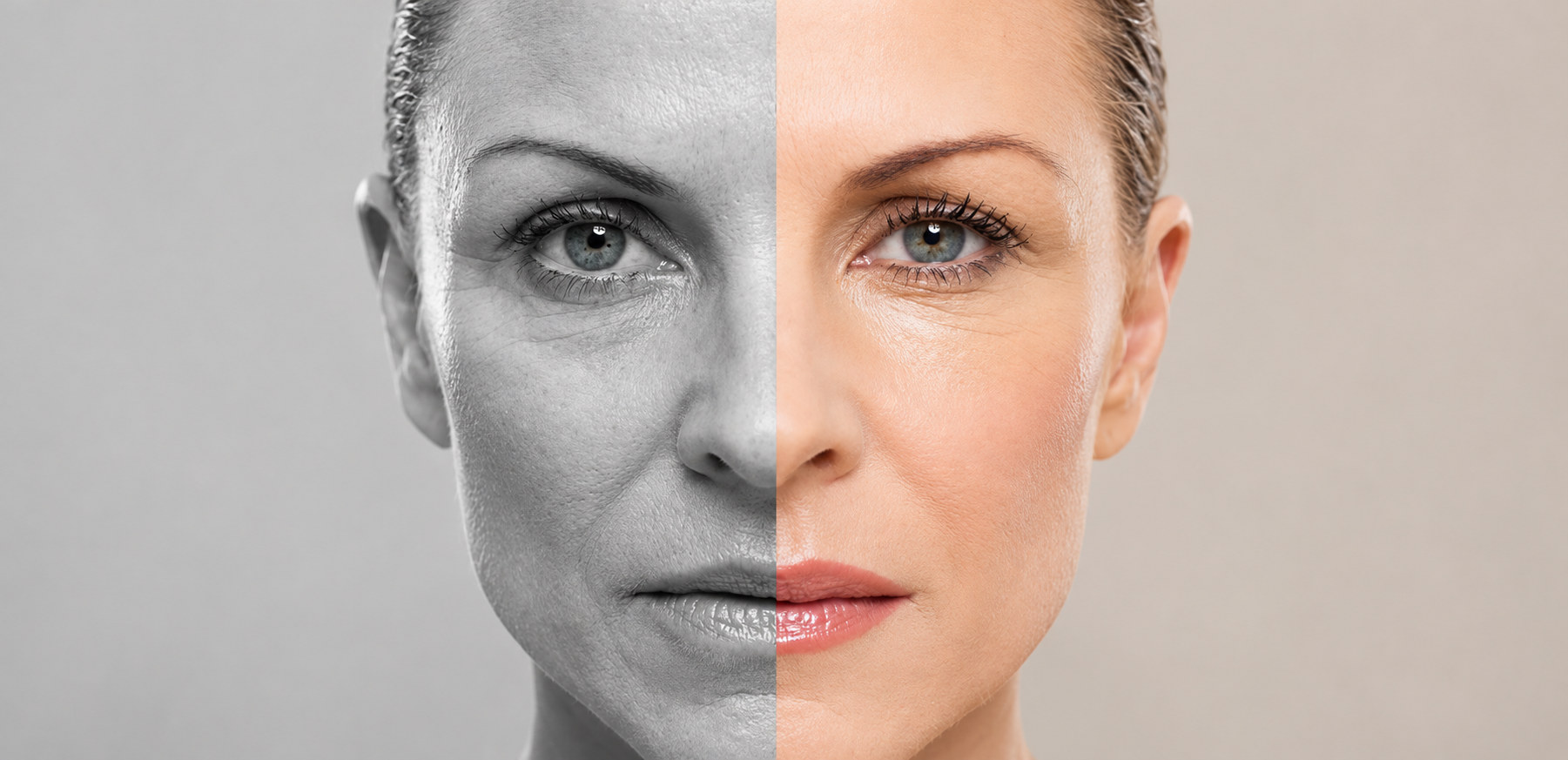
The connection between smoking and skin aging has been discussed for years in dermatology and public health. While skin changes are influenced by many factors, tobacco exposure is commonly associated with processes that may accelerate visible aging.
Oxidative stress, circulation, and collagen breakdown
Three mechanisms are often central to this conversation:
- Oxidative stress: Tobacco smoke exposes the body to compounds that can contribute to cellular stress.
- Reduced circulation: Smoking is associated with blood vessel changes that may limit efficient delivery of oxygen and nutrients to the skin.
- Collagen and elastin changes: Collagen helps support firmness and structure, while elastin contributes to flexibility. Smoking has been linked to processes that may weaken both over time.
Together, these effects may leave the skin looking less resilient and less able to recover from daily stressors. In aesthetic terms, that can matter because many treatments rely on healthy tissue response, skin repair capacity, and baseline skin quality.
Visible signs often associated with smoking-related skin aging
Not every smoker will develop the same visible changes, and not every skin concern is caused by smoking. Still, smoking is often associated with:
- Fine lines and more noticeable wrinkles
- Reduced skin elasticity
- A dull or tired-looking complexion
- Uneven skin tone or texture
- Rougher skin surface
- Slower visible recovery after irritation or procedures
These changes may become more apparent when smoking is combined with other aging factors such as sun exposure, stress, poor sleep, or inconsistent skincare.

Why smoking matters in aesthetic treatment planning
In medical aesthetics, the skin’s condition before treatment matters. Smoking does not automatically determine whether someone can or cannot pursue aesthetic care, but it may affect how professionals frame expectations and evaluate response.
Non-surgical aesthetic treatments
For non-surgical treatments, smoking may be relevant because it can influence the overall quality of the skin and the way tissue responds after treatment. Depending on the modality and the person’s baseline skin condition, professionals may take into account:
- General skin resilience
- Healing and recovery patterns
- Propensity for irritation or prolonged redness
- Bruising-related considerations
- Whether expectations align with the current condition of the skin
This does not mean outcomes are predictable based on smoking status alone. It means smoking can be one piece of the clinical and aesthetic picture.
Surgical procedures and healing-related concerns
The issue may be even more important in surgical settings, where healing and tissue perfusion are major considerations. Smoking history is often part of pre-procedure screening because it may relate to wound healing and recovery concerns.
Anyone considering surgical or minimally invasive aesthetic care should disclose smoking history to the treating clinician. That conversation belongs with a qualified licensed professional who can assess the full medical context, procedure risks, and recovery factors.
Why the issue goes beyond cosmetic changes
Aesthetic concerns often bring people to this topic, but smoking is not only a beauty issue. Visible skin aging can be one outward sign of a much broader health burden.
Smoking has been linked to serious systemic health risks involving cardiovascular, respiratory, and overall long-term health. In that sense, premature skin aging is not an isolated cosmetic problem. It may reflect deeper physiologic stress affecting the whole body.
For professionals in aesthetic environments, this is an important mindset shift. When smoking comes up in a consultation, the conversation should stay professional, respectful, and grounded in education, not judgment.
Can skin improve after quitting smoking?
A common question is whether the skin can recover once someone stops smoking. In many cases, improvement is possible, but it is usually gradual and influenced by multiple factors.
After smoking cessation, some people may notice changes over time related to:
- Better overall skin tone
- Less dullness
- Improved appearance of vitality
- Support for healthier circulation
- A stronger foundation for overall wellness habits
That said, skin does not “reset” overnight. Long-term changes in collagen, texture, or deep wrinkling may not fully reverse, especially when aging, sun exposure, and genetics also play a role.
What improvement may look like over time
The most realistic way to think about post-smoking skin improvement is as a broader support process rather than a quick cosmetic correction. Improvements may be subtle and may show up as:
- A healthier-looking complexion
- More consistent skin recovery
- Better support for skincare and lifestyle efforts
- A more favorable starting point for future aesthetic evaluation

For people motivated by appearance, this can be a meaningful part of the conversation. For public health, it is only one of many reasons smoking cessation matters.
Lifestyle habits that support skin quality
No food, supplement, or topical product can cancel out the effects of smoking. Still, supportive habits can help improve overall skin health and complement broader wellness goals.
Sun protection and basic skincare still matter
Smoking-related aging is often compounded by other preventable exposures, especially ultraviolet damage. A simple skincare routine can help support skin quality, including:
- Daily broad-spectrum sunscreen
- Gentle cleansing
- Consistent moisturization
- Avoiding unnecessary skin irritation
- Seeking professional evaluation when concerns persist
In aesthetics, it is rarely one factor alone. Smoking, sun exposure, age, stress, and overall health often work together to shape the skin’s appearance.
Why this topic matters for aesthetic professionals and students
For estheticians, aesthetic assistants in support roles, and students entering medical aesthetics, understanding smoking-related skin changes has practical value.
Better consultations and expectation setting
A strong aesthetic consultation is not just about treatment interest. It is also about context. Lifestyle habits such as smoking may help explain why skin quality looks the way it does and why results may vary.
This knowledge can support:
- More informed skin assessments
- Better communication about realistic expectations
- Stronger patient education
- More thoughtful treatment planning within scope
It also helps professionals avoid oversimplifying outcomes. If a person has compromised skin quality, promising dramatic results without considering lifestyle factors can undermine trust.
Knowing when to refer to a licensed clinician
Aesthetic professionals who are not licensed to diagnose or manage medical risk should stay within their scope. If smoking history raises concerns about healing, candidacy, or procedure suitability, referral to the appropriate licensed clinician is essential.
That distinction matters in medical aesthetics. Education should improve judgment, not encourage overreach.
Smoking and aesthetic outcomes: the practical takeaway
From an aesthetic standpoint, smoking can matter because it may affect skin quality, collagen support, circulation, and recovery. From a broader health standpoint, it matters even more.
For patients, the key takeaway is that smoking may influence how the skin ages and how it responds to certain procedures. For professionals, the takeaway is that smoking history should be understood as part of a bigger, evidence-informed conversation about skin condition, treatment expectations, and safe care pathways.
Aesthetic education is strongest when it connects appearance-based concerns to real physiologic context. That is where better communication and better decision-making begin.
Sources and references
- Centers for Disease Control and Prevention. Smoking and tobacco use.
- U.S. Department of Health and Human Services, Office of the Surgeon General. Reports on smoking and health.
- JAMA Dermatology. Research on smoking and skin aging.
If there are topics you would like to see covered next, write to us at editorial@upsthetics.com.
Disclaimer: This content is for educational purposes only and does not constitute medical advice, legal advice, or professional guidance.
FAQS
Does smoking really make the skin age faster?
Research links smoking to premature skin aging through reduced circulation, oxidative stress, and changes in collagen and elastin. These effects can contribute to dullness, fine lines, deeper wrinkles, uneven tone, and slower recovery, though the degree varies from person to person.
Can the skin recover after someone quits smoking?
In many cases there is gradual improvement. Over time some people notice better tone, less dullness, and a healthier-looking complexion as circulation improves. The skin does not reset overnight, however, and long-standing changes in collagen, texture, or deep wrinkling may not fully reverse.
Why does smoking matter when planning an aesthetic treatment?
Smoking can influence overall skin quality, healing, and how the skin responds to certain procedures. It does not automatically rule a treatment in or out, but it is one piece of clinical context that helps set realistic expectations, especially around recovery, irritation, and bruising.
Is smoking only a concern for surgical procedures?
It is especially important for surgical and minimally invasive procedures, where healing and tissue perfusion matter most, so smoking history should always be disclosed to the treating clinician. For non-surgical treatments it can still affect skin resilience and recovery, so it stays relevant.
Can skincare products undo smoking-related skin damage?
No product, supplement, or topical can cancel out the effects of smoking. Supportive habits such as daily broad-spectrum sunscreen, gentle cleansing, and consistent moisturizing can help protect skin quality, but they work alongside quitting, not instead of it.
What should aesthetic professionals do when smoking comes up in a consultation?
Stay within scope: use the information to support a better skin assessment, realistic expectations, and patient education, and refer to a licensed clinician when medical risk or a diagnosis is involved rather than promising specific outcomes.
Stay Updated
Related posts
Skin aging by decade: what changes and what is commonly discussed in aesthetic practice
Recognizing Over-Exfoliated Skin Before You Treat It
How Fitzpatrick Phototype Changes Treatment Decisions in Aesthetic Practice
About the author
